

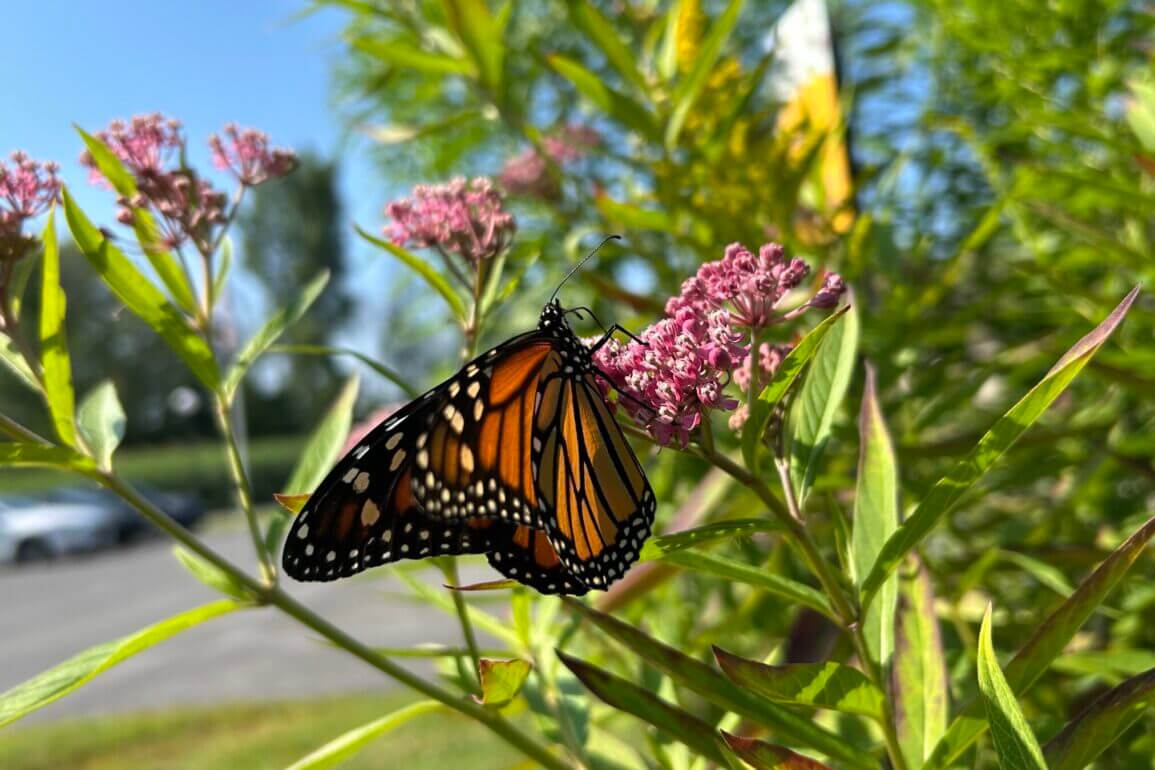
The Mountain Lake PBS Pollination Station is back and blooming in its fifth year on the lawn of 1 Sesame Street—our home base in Plattsburgh, NY.
Each year we tend our garden with love and care, proudly acting as pollinator advocates in our community. The Pollination Station’s four honeycomb shaped garden beds are jam-packed with pollinator-friendly plants, providing food in the summer and shelter during winter for butterflies, birds, and bees.

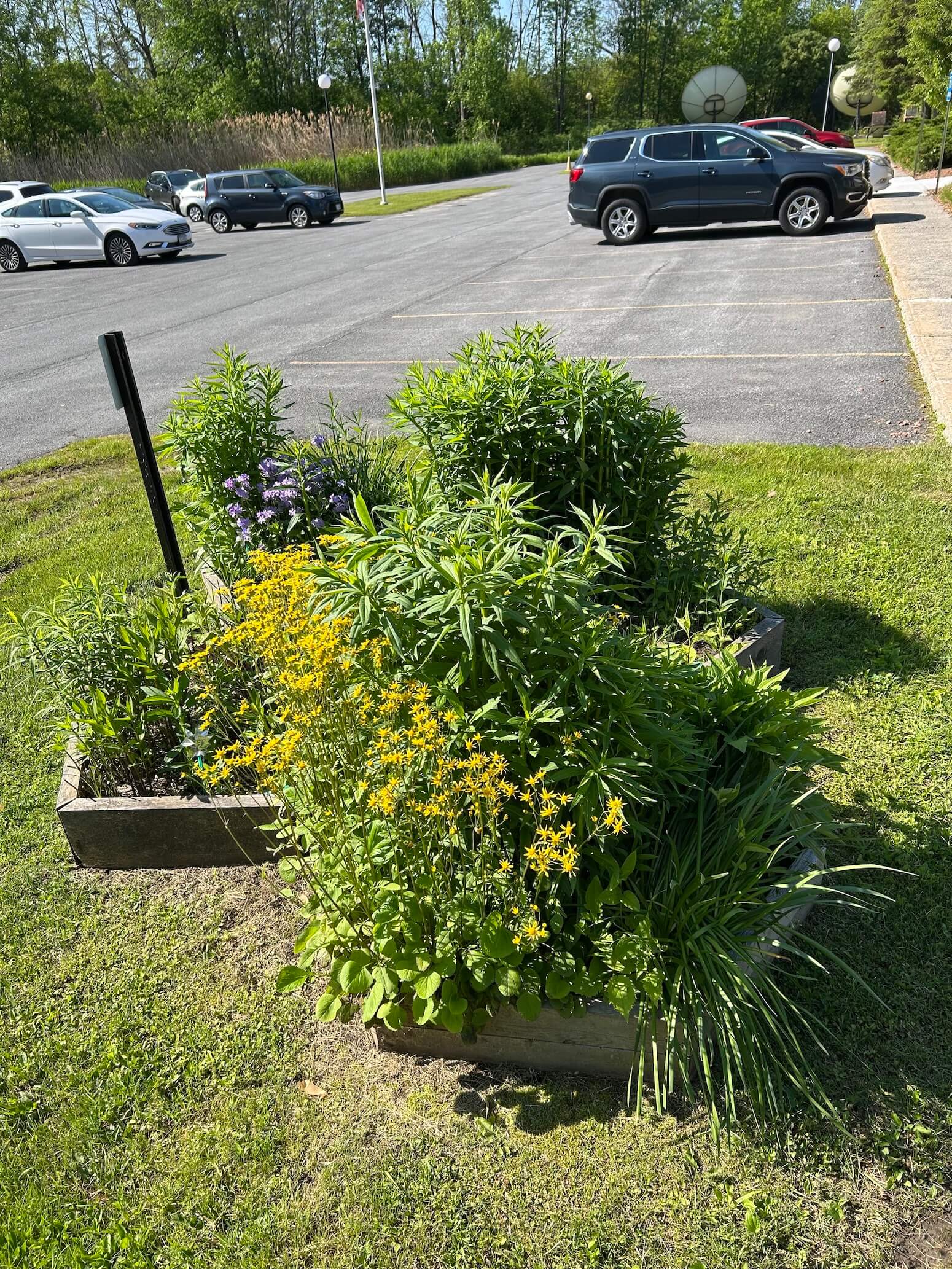
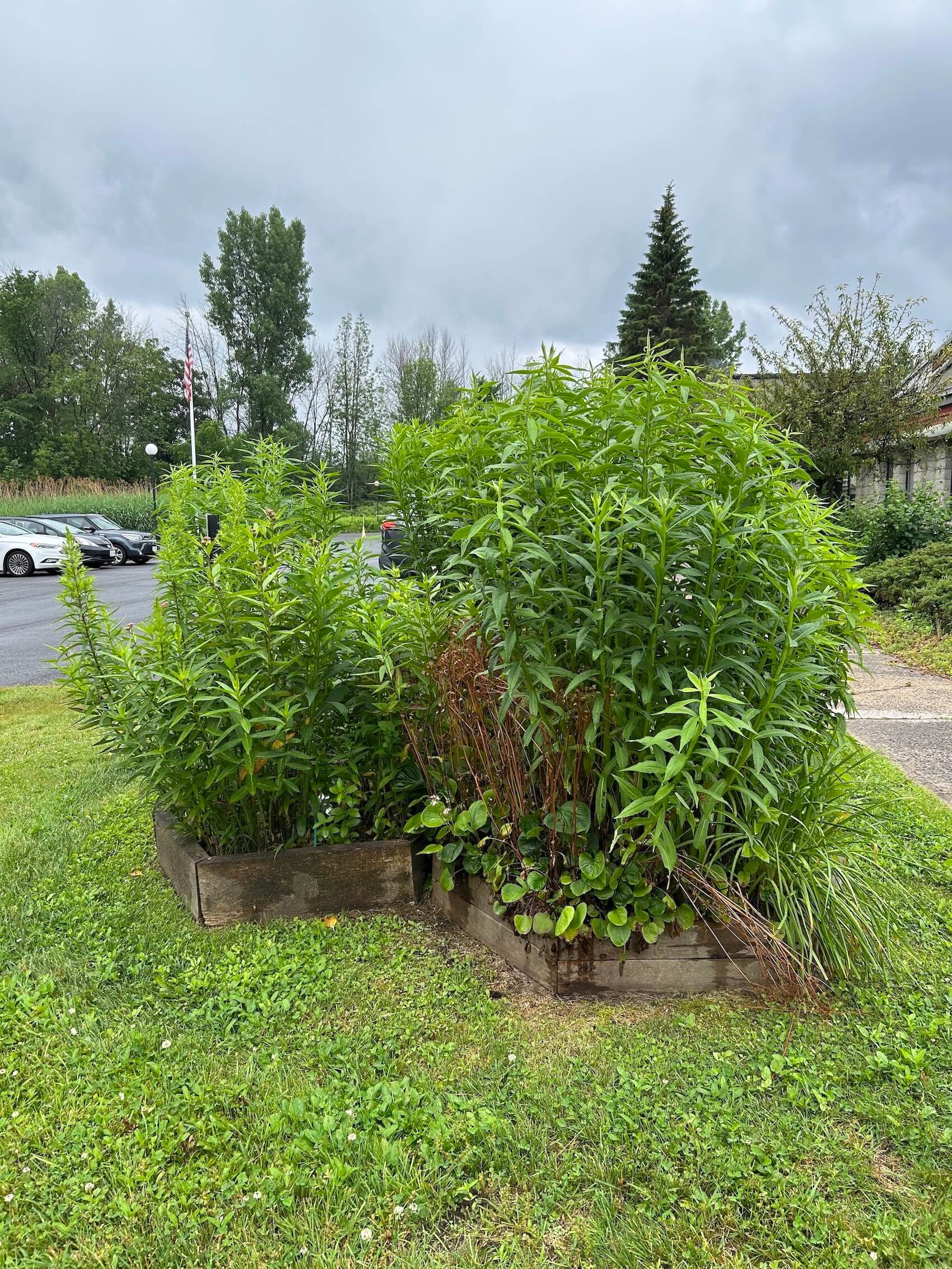
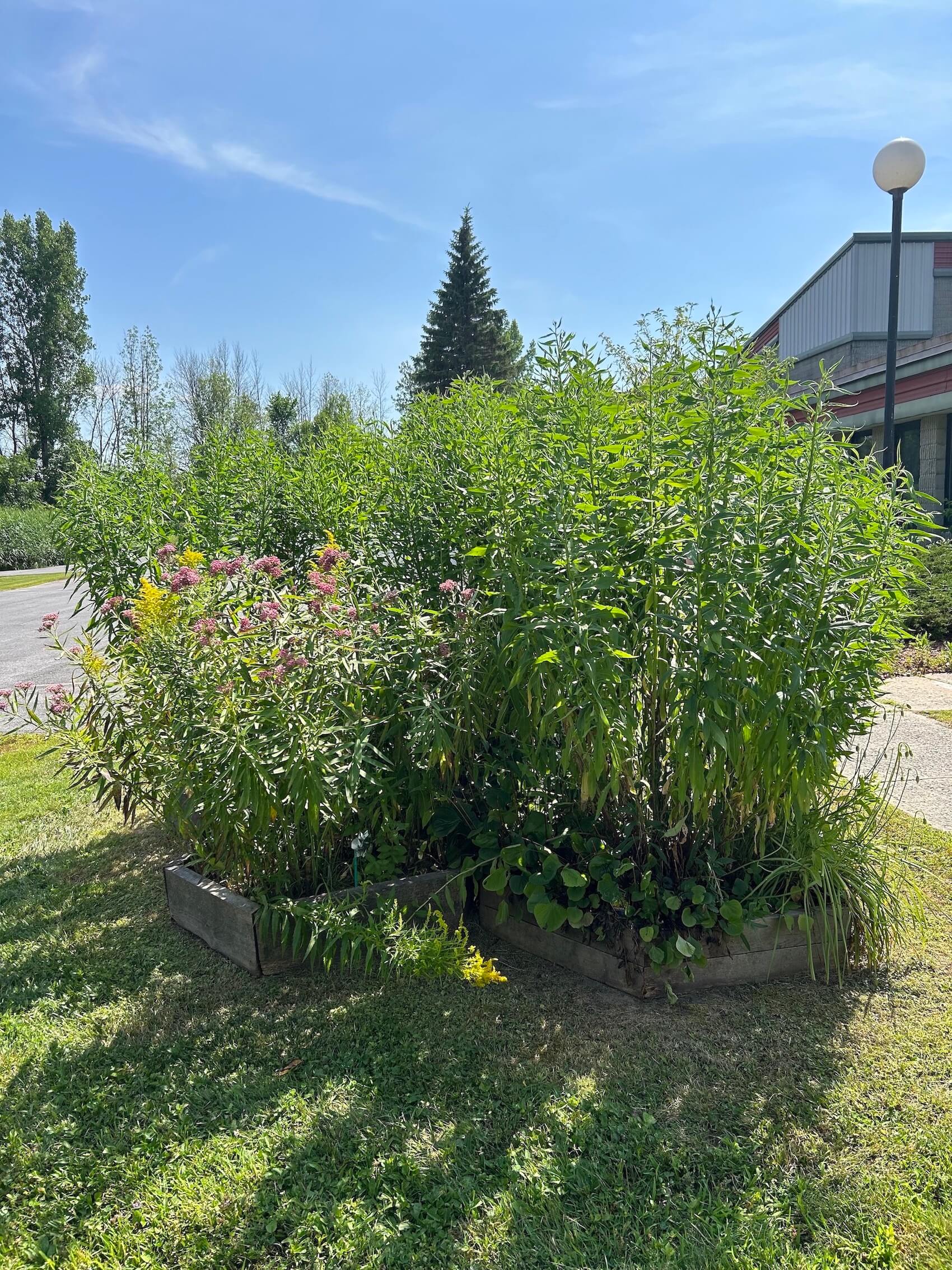
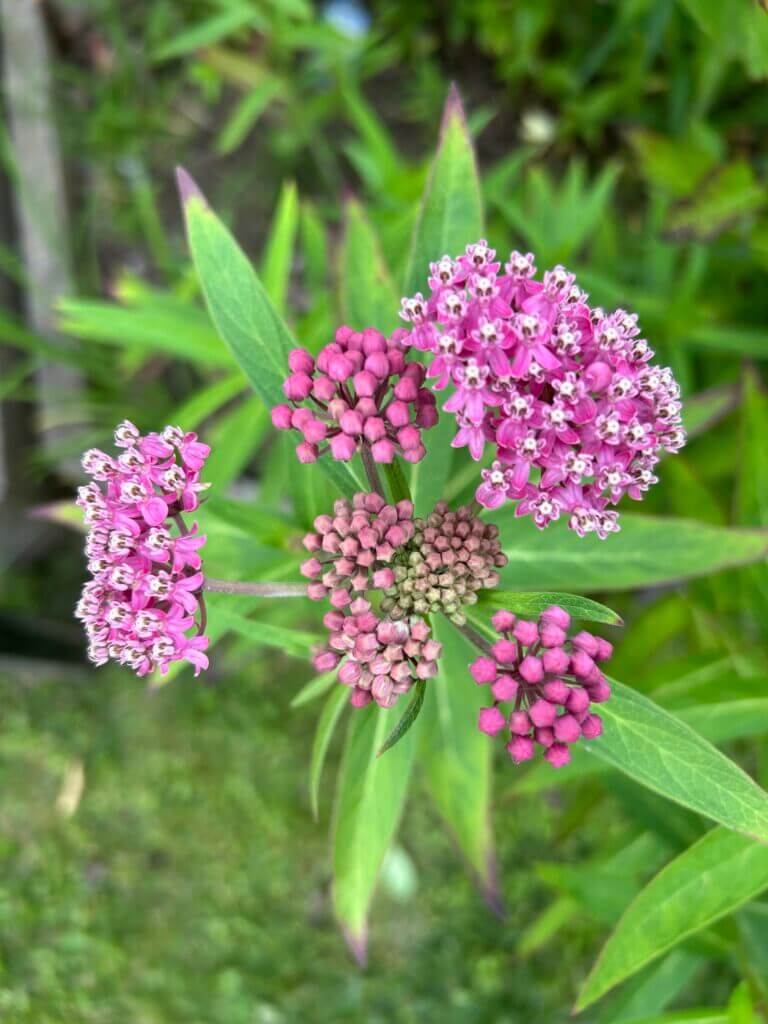
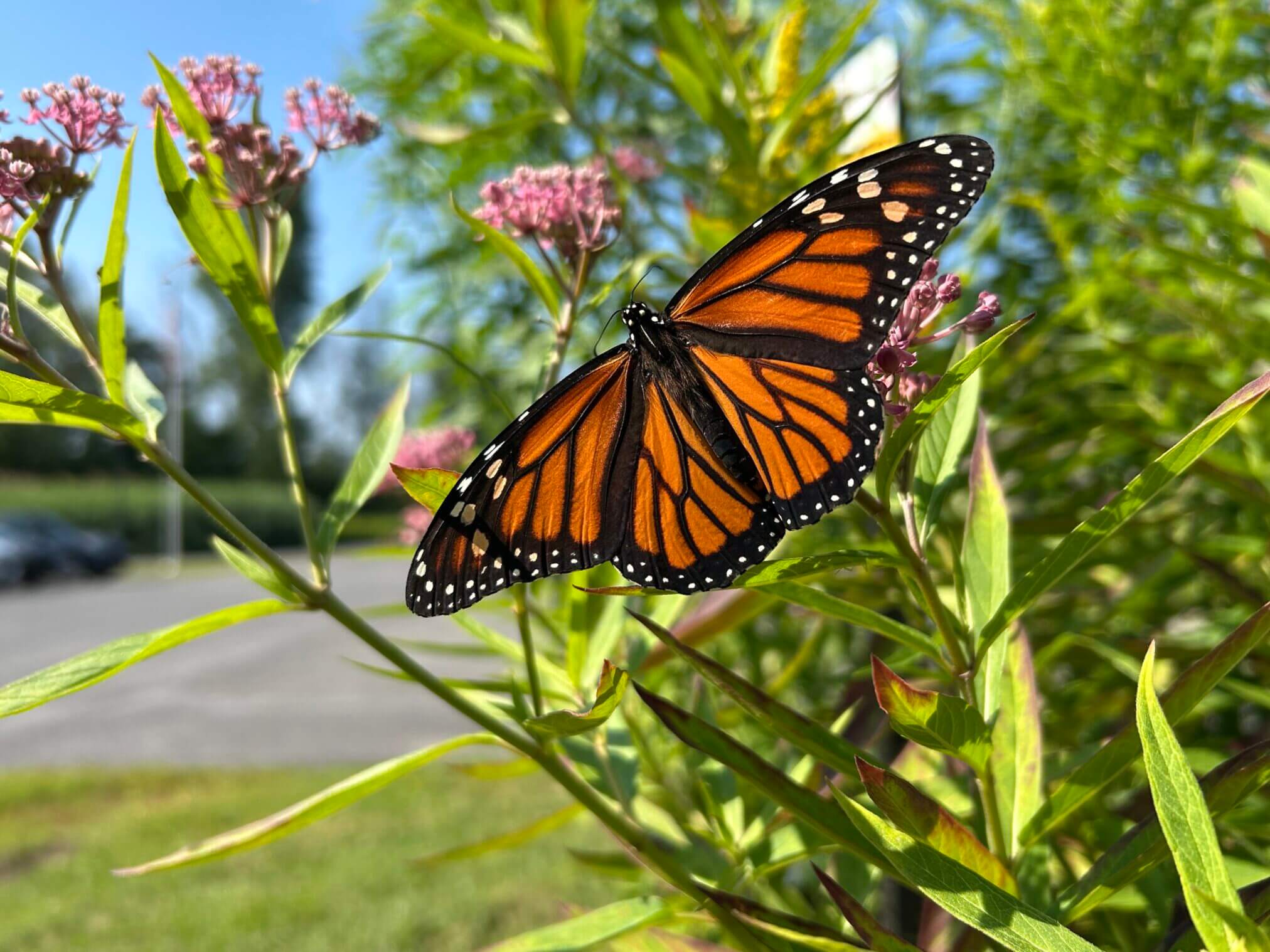
This summer early bloomers burst onto the scene, rapidly sprouting new buds and stretching high to the sky. The garden was full of eye-catching colors—blue, yellow, and purple—throughout May and June as the Wild Blue Phlox and Golden Ragwort grew. By July they had faded, making way for the next wave of plants to take center stage. Now, the Nodding Onion sprawls out in large bunches, densely packed with heavy buds hanging low and ready to burst open with bell-shaped blooms. Shocks of pink flowers from the Swamp Milkweed have begun feeding monarch butterflies. We can’t wait to see the Clustered Mountain Mint, Spotted Bee Balm, and White Turtlehead in full bloom soon too, attracting pollinating visitors of their own.
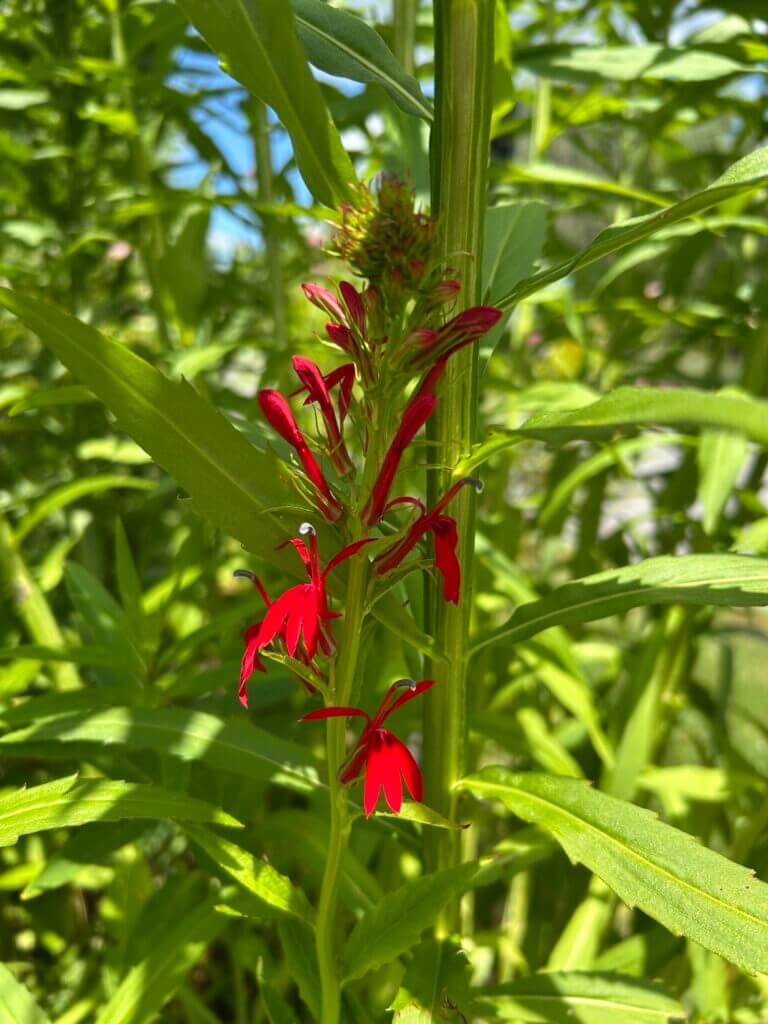
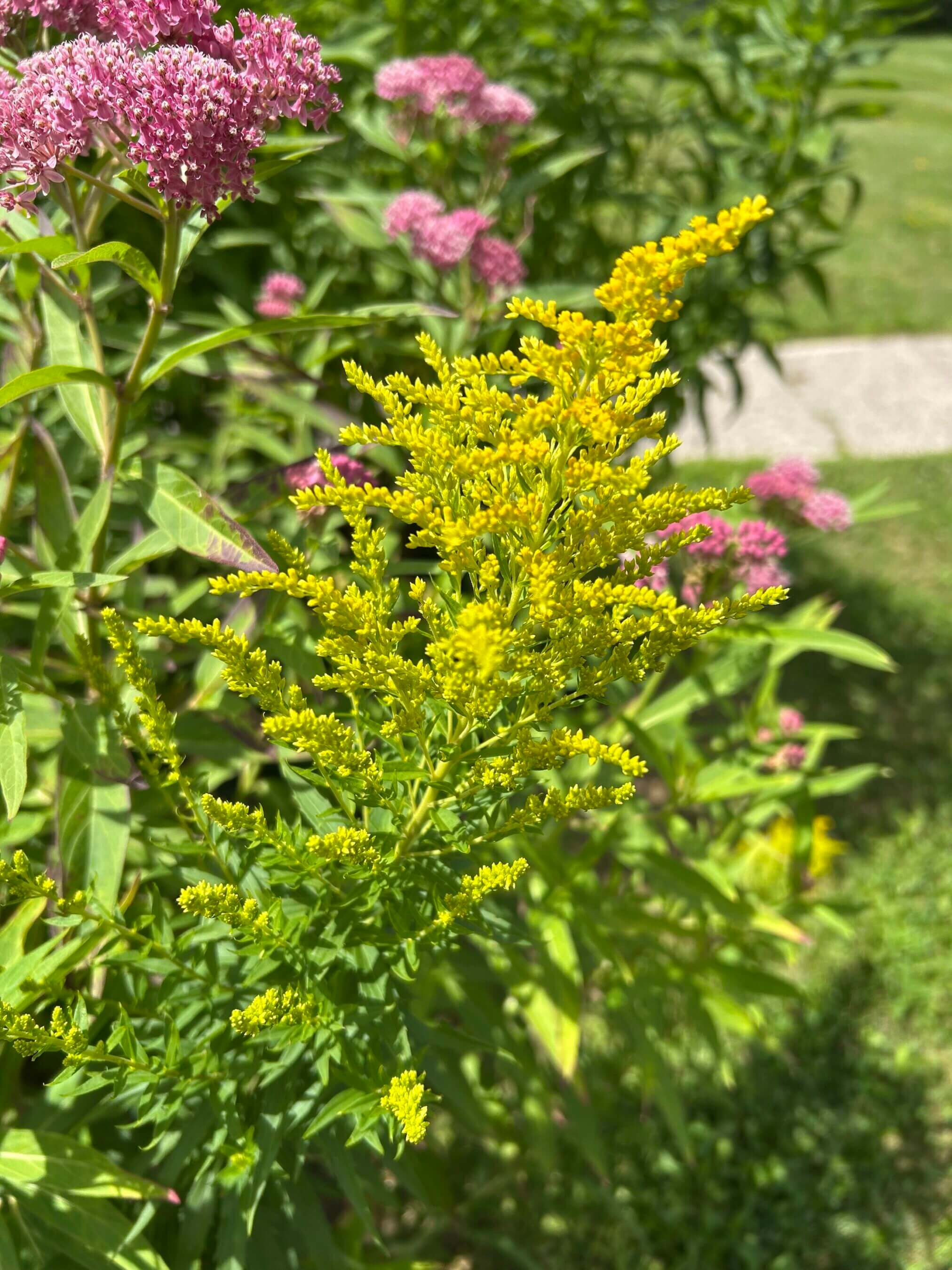
In the past, we’ve made it a priority to weed early and often, helping our pollinator plants establish themselves in their plots while setting them up to thrive during each following summer. This year, we decided to go a little wild and let a few mystery plants grow. As it turns out, one of them is a type of Goldenrod, but not the Zig Zag we planted in early 2023. While that species never seemed to take hold, this Goldenrod has become hearty. It’s popping up in abundance across the front two garden plots, adding a spray of tiny yellow flowers to the colorful mix. Another yet-to-be-identified plant has also grown to new heights in almost every corner of the garden. We thought, in the late spring, that it might be the Blue Lobelia or Cardinal Flower making a comeback but as it spread further and further from where it started we realized it might be a different plant entirely. Convinced this towering plant is potentially invasive we’re planning to uproot it soon to make room for other, helpful pollinator plants instead.
Looking ahead to August, we’re hoping the closely-packed Brown-Eyed Susans will finally erupt with tiny, yellow flowers and the few returning Cardinal Flowers will stretch up high, adding climbing trails of beautiful red. We’ll also keep our eyes out for more slugs, flies, monarchs, moths and egg clusters, all of which we’ve found in the garden over the past couple months. With hot days and lots more rain in the forecast, the garden is sure to see more big changes in the weeks to come.
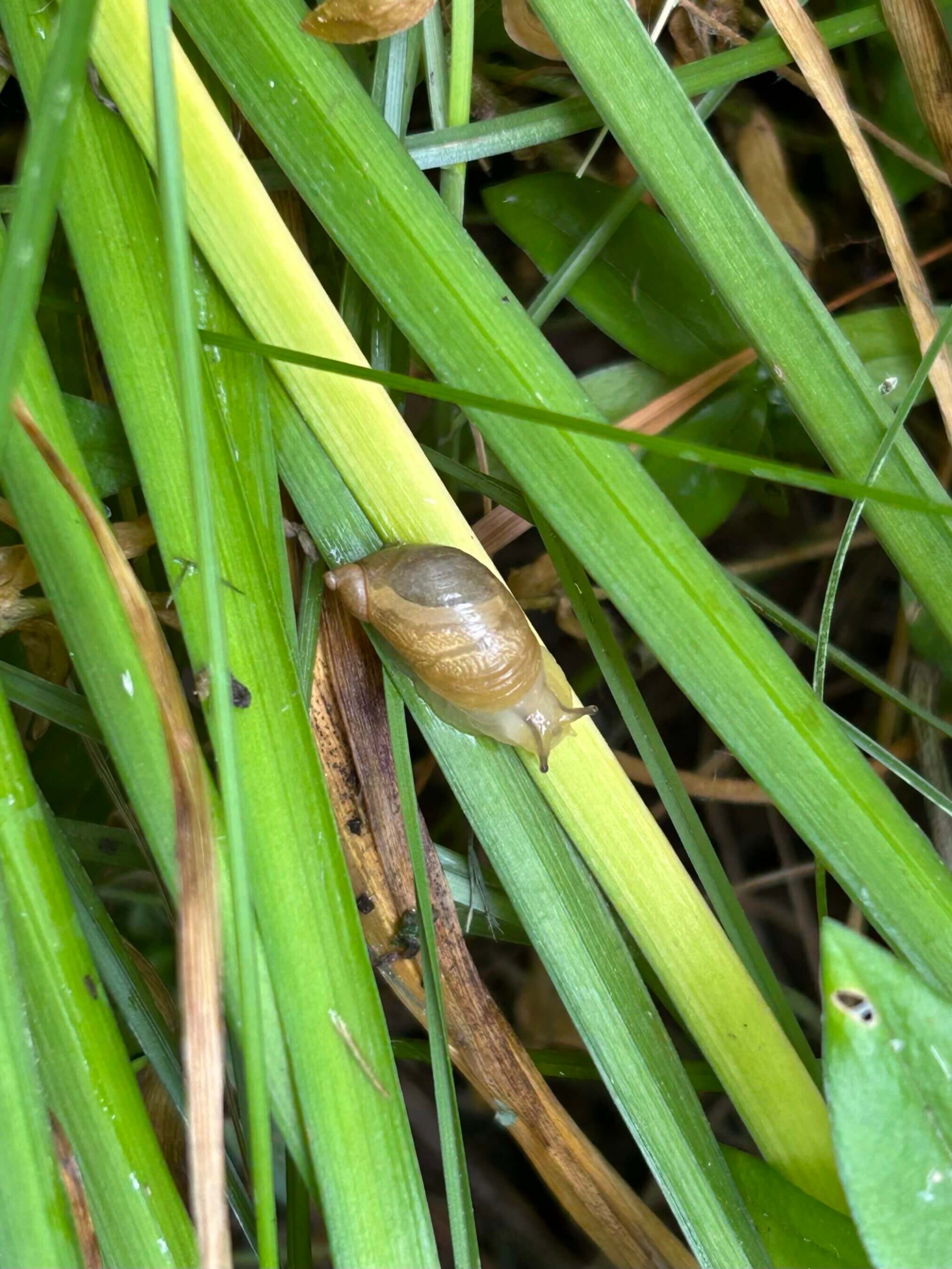
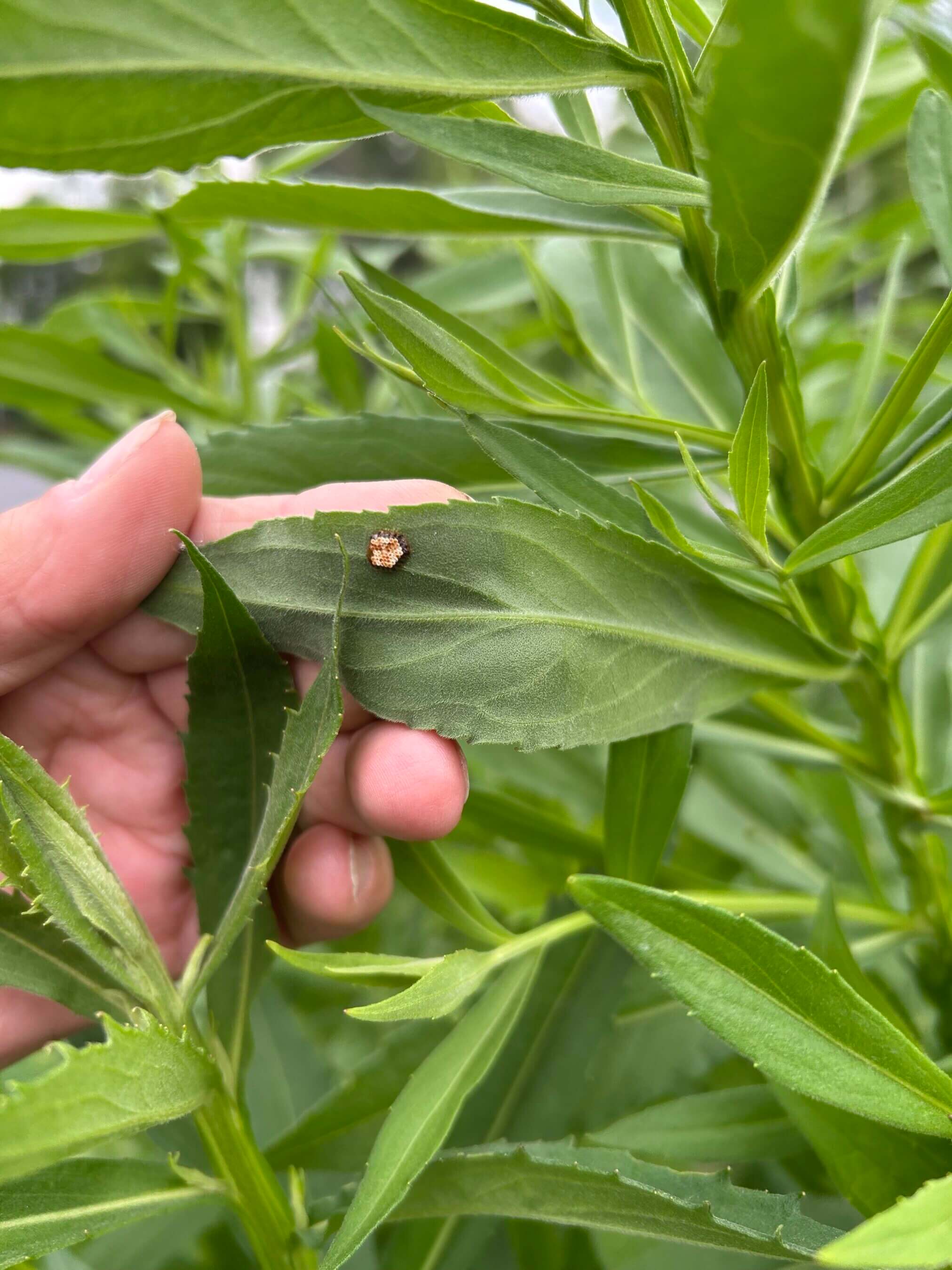
As the summer marches on we’re all abuzz as our garden continues to blossom, attracting any flying, hopping, or walking visitors who decide to pop by! Be sure to check back in for more updates on the Pollination Station with our Learn & Play blog and on social media.
In the meantime, keep scrolling to learn more about what pollinator gardens are, how you can start your very own, and activities to encourage a passion for gardening and environmental stewardship in your family.
Jump to article sections:
What Is a Pollinator Garden?

A pollinator garden features flowers that provide nectar or pollen to a variety of pollinating insects, like bees, butterflies and moths. Native flowering plants – ones that come from the geographic area a garden is in – are best, and pesticides and other chemicals should be avoided when caring for them. In the Adirondacks this could include bee balm, milkweed, white turtlehead, mountain mint, and phlox. These gardens are beautiful and can help attract birds and other wildlife too!
Interested in starting your own pollinator garden but don’t know how? Sign up below to receive a free packet of wildflower seeds from the Adirondack Pollinator Project, courtesy of AdkAction.
The Adirondack Pollinator Project

The Adirondack Pollinator Project helps promote the health of pollinators in our ecosystem, provides resources to become a pollinator advocate, and helps communities plant more local wildflowers to help supply pollinators with the food sources they need to survive and thrive. AdkAction partners with The Wild Center, Northern New York Audubon, and Paul Smiths College to support ongoing activities of the Adirondack Pollinator Project.
As part of the project’s Pollinator Garden Assistance Program, AdkAction has used their Mobile Pollinator Garden Trailer to plant community-scale pollinator gardens around the Adirondacks—including the one at Mountain Lake PBS! Each summer, their annual Adirondack Pollinator Festival offers opportunities to buy native plants for your own garden and includes free kids activities, conservation workshops and more.
Activities, Books & More
Pollinator Pathway Game
Grades PreK-3
In this all-new Nature Cat game, collect nectar for pollinators like bumblebees and butterflies to help them get the energy they need! Learn some nature-tastic facts all about pollinators and the big part they play in our environment along the way.
Gardening With Kids: How It Affects Your Child’s Brain, Body and Soul
Grades PreK-3
Planting a garden can affect not only your child’s body but also their brain and soul.
Flight of the Pollinators | Wild Kratts
Grades K-2
Join Chris and Martin as they explore the process of pollination and learn the important partnership between plants and animals. Watch these video clips to see how the Kratt brothers uncover the amazing delivery system of plants and their animal partners.
Best Gardening Books for Kids
Grades PreK-6
Inch by inch, row by row, learn to make your garden grow! Browse through these seed-filled reads and explore the outdoors through books.
Pollination and Community Action: Middle Schoolers Build a Pollinator Garden | Mountain Lake Journal
Grades 6-12
A group of middle school students in the Adirondacks get their hands dirty building a pollinator garden on school property. Follow along as the students learn about the importance of pollinators, pollinator plants, and community action.
This Vibrating Bumblebee Unlocks a Flower’s Hidden Treasure | Deep Look
Grades 6-12
Most flowering plants are more than willing to spread their pollen around. But some flowers hold out for just the right partner. Bumblebees and other buzz pollinators know just how to handle these stubborn flowers. They vibrate the blooms, shaking them until they give up the nutritious pollen.
For past updates on our Pollination Station, check out our other buzzworthy posts!